



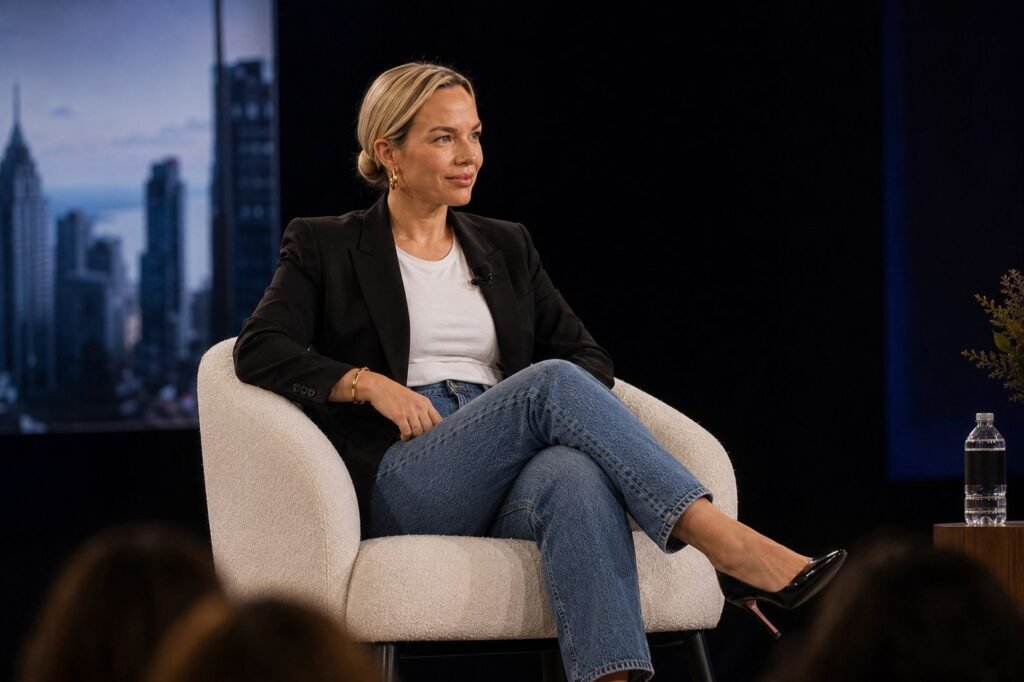
Jamie Savage is the founder of The Leadership Agency
Women founders are building some of the most ambitious companies across Canada’s startup and technology ecosystem. From AI and fintech to healthcare, climate tech, consumer brands, and emerging technologies, they are tackling complex problems, creating new markets, and scaling businesses with global potential. Top Female Founders to Watch in 2026 highlights a group of entrepreneurs who are standing out for their vision, leadership, innovation, and impact. These founders represent the next generation of women shaping the future of business and technology, and their stories are worth following as they continue to build, grow, and lead.
18. Lin Sok
17. Anastasia Artemova
16. Laney Lui
15. Heather Odendaal
14. Marlina Kinnersley
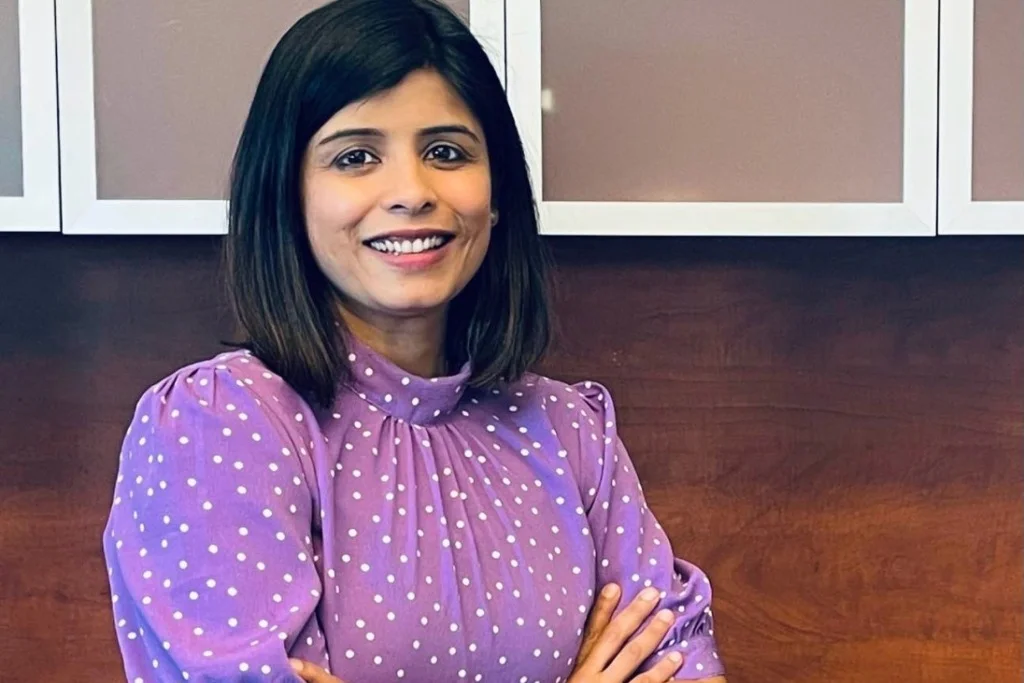
13. Shweta Mishra
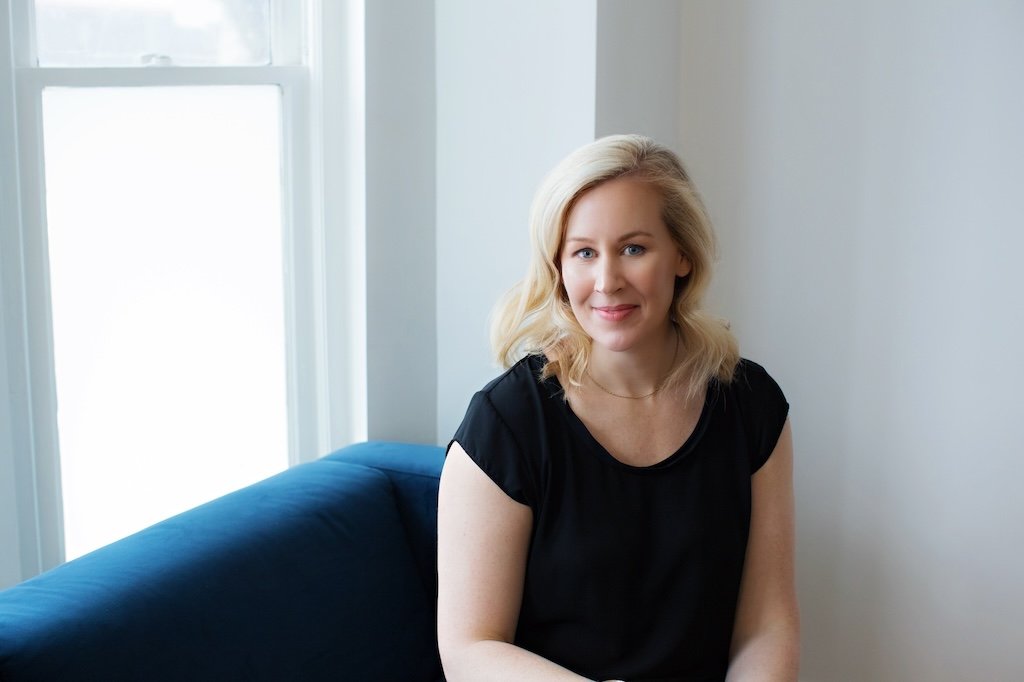
12. Cerys Goodall
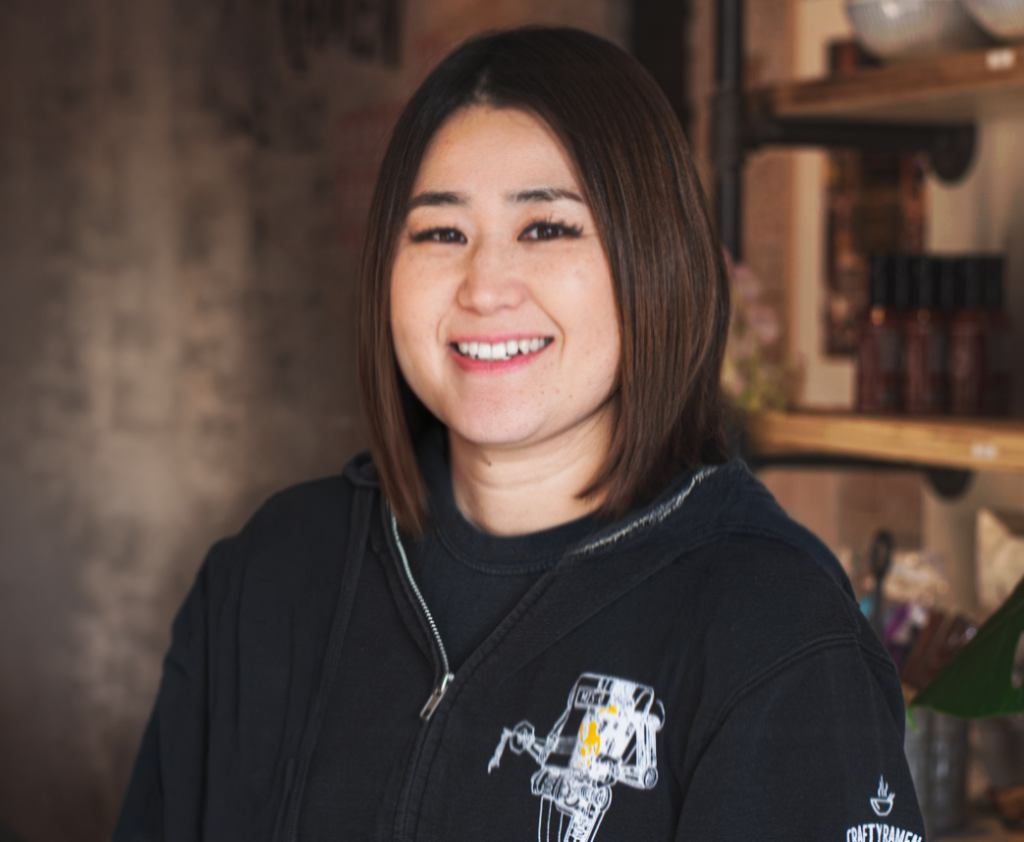
11. Miki Ferrall
10. Spiridoula Trakaki
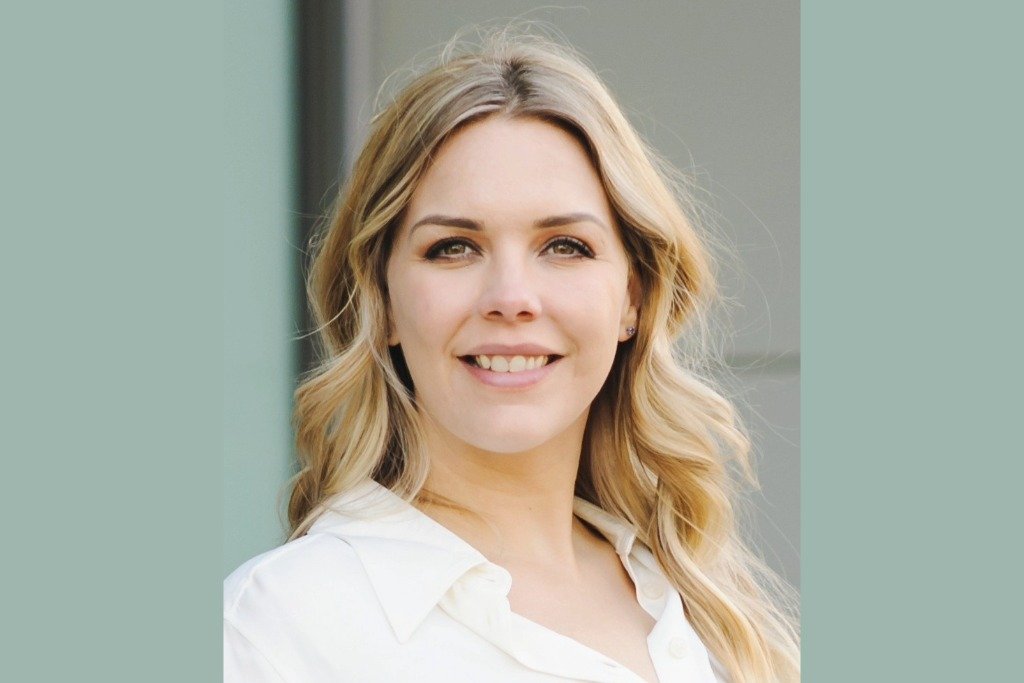
9. Cori Carroll
8. Susan Campbell
7. Katherine Li
6. Christianna Chow
5. Lauren Valliere
4. Alexandra Kapelos-Peters
3. Amanda Kelly
2. Jamie Savage
1. Marissa McNeelands
18. Lin Sok
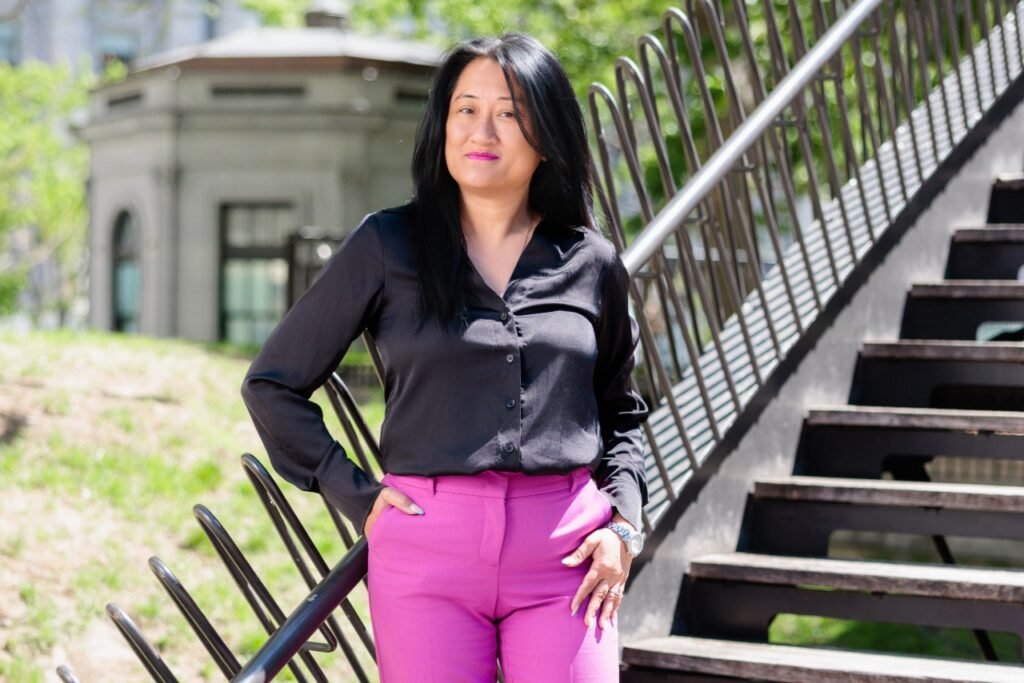
Company: https://owni.ai/
Linkedin
Describe what you do in less than 140 characters.
We help people invest in real estate together through guided co-buying.
What’s a moment during your journey you’ll never forget?
Attending a leadership workshop hosted by Real Ventures in April 2026 was a turning point in my founder journey. It shifted my mindset from building a startup to building the leadership required to scale a global company. That experience gave me the confidence and perspective to lead OWNI through its next stage of growth.
What impact have you made on your customers, team, or community?
Yes, we’ve generated revenue, but what we’re most proud of is seeing the growth in confidence in our users and community members. Revenue tells us we’re building a business. Confidence tells us we’re solving the right problem.
What’s one lesson you learned the hard way?
I was right all along and I should’ve listened to my gut instinct.
What advice would you give to builders just getting started?
Surround yourself with one or two key people who’ll give you the unbiased “real talk” advice.
What are you working on next?
We’re boldly working on 10X-ing by the end of 2027 by building our co-buying SaaS in-house.
17. Anastasia Artemova
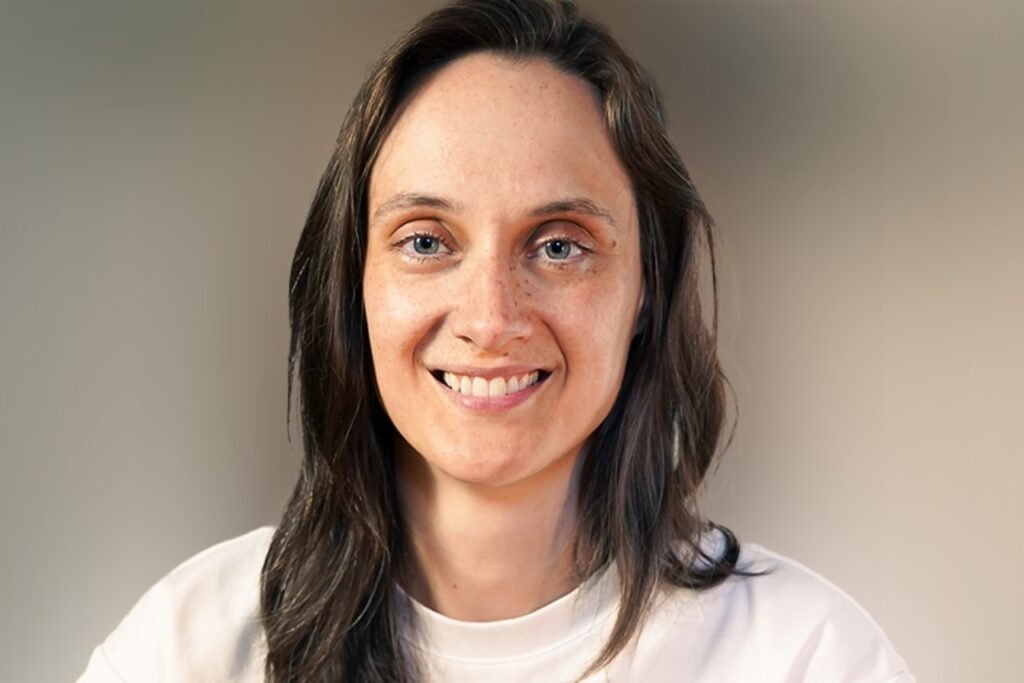
Company: https://theboost.ca/
Linkedin
Describe what you do in less than 140 characters.
Helping Canadian newcomers and jobseekers become impossible to ignore
What’s a moment during your journey you’ll never forget?
Will never forget the email I received from a client who’s landed a successful offer after being unemployed for over a year, after she went on a maternity leave. She almost gave up, and started considering going back to school, thinking her skillset became outdated during her mat leave. We’ve worked through her background and helped her come up with an “edge” she didn’t even realize she had and built an outreach strategy. Less than a month passed when she emailed us that she’s landed the offer that was higher than what she could have hoped for – and the employer wanted her specific EDGE!
What impact have you made on your customers, team, or community?
Helped over 2500 newcomers and students land their first role in Canada
What’s one lesson you learned the hard way?
We built Boost with AI tools to make job search help faster and cheaper for newcomers to Canada. But the amount of personalized coaching session purchases did not go down. That’s when we realized that people, especially newcomers, don’t just want answers, they want someone who’s gone through the same experiences as them to get to know them and tell them what to do next. Now we use AI to scale the human aspect instead of replacing it.
What advice would you give to builders just getting started?
Build trust before you ask for money. Our YouTube channel and newsletter are a big reason people trust Boost enough to pay for it. For a bootstrapped founder, an audience that believes you is the most valuable asset you can own, and you can’t buy it.
What are you working on next?
We’re building Boost to combine AI with real human guidance, so every newcomer gets the kind of advice that used to depend on who you know and the money you have.
16. Laney Lui
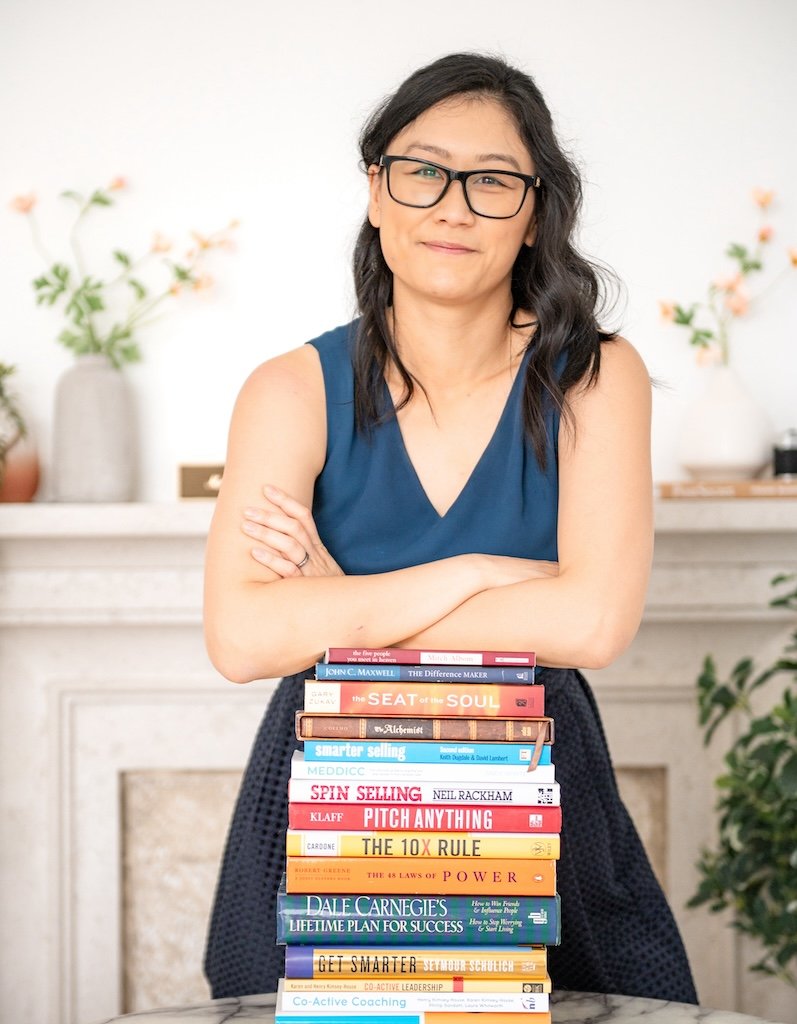
Company: https://zenfulsales.com/
Linkedin
Describe what you do in less than 140 characters.
I help founder-led B2B companies build scalable revenue by aligning sales strategy, GTM systems, and the founder behind them.
What’s a moment during your journey you’ll never forget?
A couple of weeks ago, I was checking in with one of the founders I’ve worked with. We were celebrating some incredible wins in the business, but somewhere in the conversation we stopped talking about what was happening now and started appreciating everything that had happened along the way. It gave me goosebumps. I’ve always loved the relationship side of working with clients, so when I started Zenful Sales, I was genuinely excited about becoming part of the founder and startup community.
What has become especially meaningful are the little moments that add up over time. A founder’s text sharing that something finally clicked. Celebrating a win we had been working toward for months. Running into someone I mentored and hearing what happened after our conversation. Watching a business evolve, and realizing I had the privilege of being there for part of it. Some of the people I first met as clients, founders I was mentoring, or people in the ecosystem have become genuine friends. The big milestones are exciting. But some of my most memorable moments have been quieter ones, when you get to look at someone across a conversation and appreciate how far they’ve come, and how much of the journey you’ve shared. That sense of community is one of the things I value most about building this business.
What impact have you made on your customers, team, or community?
The impact I care about goes beyond revenue. One founder I worked with went from roughly 5% conversion to $15K in monthly recurring revenue, 100% retention and a business at capacity. Those numbers matter. But I’m equally proud of the client who started our work anxious about making sales calls. She was genuinely scared to pick up the phone. By the end, she had a five-stage sales framework, scripts, a prioritized account list and the confidence to use them.
Part of our work was tactical. Part of it was helping her understand that a 5–10% tier-one lead rate was normal, not evidence that she was failing. We even worked through breathing techniques before calls. I’ve had clients joke that sessions with me can feel a little like therapy. I think that says something important about building a business. The work affects the business, but it also affects the person carrying the pressure of making the business work.
Sales can carry a surprising amount of fear, self-doubt and pressure, especially when someone’s business depends on it. If I can help someone build a stronger revenue engine while also feeling clearer, more capable and enjoying the work more, that’s the kind of impact I want Zenful Sales to have. Stronger numbers are important. I want the human being behind those numbers to experience more joy in how they build their business, that matters to me.
What’s one lesson you learned the hard way?
Revenue can validate the wrong business. When I was starting, someone willing to pay me felt like evidence that I was heading in the right direction. So I said yes to different types of clients and problems that sat adjacent to what I could do. Some became great relationships. They also taught me that a sale only proves somebody will pay you. It doesn’t prove you should build your company around them. The question I eventually started asking was:
“If I had 100 clients like this, would I still want this business?”
That question changed how I think about revenue. Early founders are understandably obsessed with getting customers. I learned the harder discipline is deciding which customers should influence the company you’re becoming.
That insight comes directly from your experience with wrong-fit early customers and how they delayed positioning clarity.”
What advice would you give to builders just getting started?
Treat your first 10 customers as data, not just revenue. Pay attention to who was easiest to reach, what made them trust you, what problem they were actually willing to pay to solve, what they implemented, what changed afterward, and whether you’d genuinely want another 100 customers like them. I started Zenful Sales thinking my problem was that I couldn’t articulate my offer clearly enough. The market eventually showed me that clarity wasn’t something I was going to think my way into. I needed enough real conversations and real customers to see the patterns. So get something in front of people sooner than feels comfortable. But don’t just ask, “How do I get more customers? Ask, “What are these customers teaching me about the business I should be building?””
What are you working on next?
Sales is changing quickly. AI is changing how buyers research. More of the buying decision happens before someone ever speaks to sales. Traditional outbound tactics are getting noisier. GTM technology is evolving almost faster than companies can decide what is actually useful.
What I’m working on next is staying close to those changes and translating them for early and growth-stage businesses. That means continually studying buyer behaviour, testing emerging GTM approaches and technology, and understanding what is genuinely changing versus what is simply the newest thing everyone is talking about. Large companies have teams dedicated to figuring this out. A founder with five or fifteen employees usually doesn’t. I want Zenful Sales to help close that gap. The goal isn’t to bring every new trend or tool into a business. It’s to understand where the market is going well enough to help founders make better decisions about what actually matters for their stage, their customers and the way they grow.
15. Heather Odendaal

Company: https://wnorthconnect.com/
Linkedin
Describe what you do in less than 140 characters.
I founded WNORTH, a global membership community advancing women into positions of influence, opportunity and decision-making.
What’s a moment during your journey you’ll never forget?
I’ll never forget standing in front of the room at our very first WNORTH Conference in Whistler in 2015. What started as an idea to bring ambitious, like-minded women together had become something real.
I had no idea then that we were planting the seeds of a global membership that would eventually span continents (we have now hosted events on 3 continents and 21 different destinations), hosted over 15k attendees and created opportunities that have changed careers, businesses and lives. All of these years later, I still get emotional watching women walk into a WNORTH event as strangers and leave with connections that will support them for years to come. Building a business is incredibly rewarding, but building something that creates a ripple effect far beyond yourself is something else entirely.
What has become especially meaningful are the little moments that add up over time. A founder’s text sharing that something finally clicked. Celebrating a win we had been working toward for months. Running into someone I mentored and hearing what happened after our conversation. Watching a business evolve, and realizing I had the privilege of being there for part of it. Some of the people I first met as clients, founders I was mentoring, or people in the ecosystem have become genuine friends. The big milestones are exciting. But some of my most memorable moments have been quieter ones, when you get to look at someone across a conversation and appreciate how far they’ve come, and how much of the journey you’ve shared. That sense of community is one of the things I value most about building this business.
What impact have you made on your customers, team, or community?
Having worked at YPO in the past, I witnessed the transformative power of executive peer forums. But I also recognized that traditional models weren’t designed for the realities of women’s lives. We reimagined this model through WNORTH Forums: seasonal, virtual cohorts offered three times annually, allowing women to participate across geographies and opt in around their professional and personal commitments. Unlike rigid executive circles, we prioritize flexibility over attendance penalties. Since 2018, we’ve hosted 24 cohorts, creating meaningful connections and measurable career advancement. Our participant surveys reveal that 58% of Forum members received a promotion or new role within one year of participating.
What’s one lesson you learned the hard way?
Hosting a conference is like launching a startup every single year. You start with a vision, invest a couple hundred thousand dollars, build an experience you believe in, and then go to market hoping people will buy what you’ve created. Even after 11 years of producing the WNORTH Conference, I’ve learned that past success doesn’t guarantee future success. Every year brings a new set of challenges, from securing sponsors and selling tickets to navigating shifting economic conditions, rising costs and changing consumer expectations. The lesson I’ve learned the hard way is that you can create an extraordinary product, but that doesn’t mean people will automatically buy it. You have to be just as passionate about sales, marketing and the financial fundamentals as you are about the experience you’re creating. It’s also one of the reasons we’ve evolved WNORTH beyond an annual conference into a year-round membership community, creating more consistent revenue and deeper relationships with the women we serve.
What advice would you give to builders just getting started?
Build relationships before you need them. You are planting seeds for future business opportunities. The single greatest investment I’ve made in my entrepreneurial journey has been in people (often investing in attending other people in person events and experiences to meet these people). Not just customers or clients, but mentors, collaborators, fellow founders and the people who have opened doors, challenged my thinking and supported me through difficult seasons. Don’t underestimate the power of showing up, following through and genuinely investing in others without expecting something in return. And send the heartfelt thank you or congratulations notes too. And remember that the community you build around yourself may become your greatest competitive advantage.”
What are you working on next?
I’m focused on building the next chapter of WNORTH: evolving from an events-led organization into a global leadership ecosystem that supports ambitious women throughout their careers. We’re expanding our international footprint, developing WNORTH Reserve, an elevated membership experience for senior executives and established founders, and introducing new ways for women to access meaningful peer connections, mentorship and leadership opportunities. We’re also exploring how AI can transform the member experience, creating more personalized connections, resources and opportunities at scale without losing the human connection that makes our community special. And then this December, I’m launching North of Now, a podcast amplifying the stories and perspectives of women shaping the future of leadership – the leadership that we truly want to see on the six o’clock news.
14. Marlina Kinnersley

Company: https://fortay.co/
Linkedin
Describe what you do in less than 140 characters.
I lead Fortay.ai, an inclusion centered employee experience platform helping organizations build stronger teams.
What’s a moment during your journey you’ll never forget?
A moment I will never forget was receiving the patent for Fortay’s Culture Determination Engine. It represented years of work translating something deeply human, values, belonging, team dynamics, and inclusion, into a practical platform organizations could use to make better people decisions.
It was also a reminder that innovation in HR does not have to mean reducing people to data points. Done well, technology can help organizations see people more clearly, understand where teams are thriving or struggling, and create workplaces where more people can do their best work.”
What impact have you made on your customers, team, or community?
Fortay.ai helps organizations build more inclusive, values aligned, and high performing teams. Our platform supports hiring, engagement, leadership effectiveness, and employee experience by helping companies understand the human dynamics that shape performance and retention.
We have worked with startups, scaleups, and larger organizations looking to improve quality of hire, strengthen leadership, increase engagement, and create healthier workplace cultures. Fortay has been recognized for its inclusion centered approach to employee experience, and we have grown as a bootstrapped company to more than $1 million in cumulative revenue.
The broader impact is helping leaders move from good intentions to measurable action. Inclusion, belonging, and culture are often discussed as values, but Fortay helps make them operational through data, insights, and practical recommendations leaders can act on.
What’s one lesson you learned the hard way?
One lesson I learned the hard way is that building in the people and culture space requires both conviction and patience. The market often wants quick fixes for deeply complex human problems. But culture, inclusion, engagement, and leadership effectiveness cannot be solved with slogans or surface level dashboards. They require trust, thoughtful measurement, and a willingness to help organizations confront what is really happening inside their teams. The hard part is staying committed to the deeper work, even when the market is tempted by simpler answers.”
What advice would you give to builders just getting started?
Build from a problem you care deeply enough about to stay with for years.The best products are not just technically impressive. They are rooted in a real human need. Talk to customers early, listen carefully, and be willing to refine your approach without losing sight of your core mission. Especially as AI becomes more powerful, the builders who win will be the ones who combine technical capability with empathy, judgment, and a clear understanding of the people they serve.”
What are you working on next?
The next chapter for Fortay.ai is expanding how AI coupled with our patented ML engine can help organizations create more inclusive, effective, and resilient workplaces.
We are continuing to develop capabilities that turn employee feedback, leadership assessments, and people analytics into practical action. That includes deeper thematic analysis, more personalized leadership recommendations, and tools that help managers understand what their teams need to thrive.
Our goal is to help organizations move beyond measuring culture to actively improving it, while keeping inclusion, trust, and human judgment at the center.
13. Shweta Mishra
Company: https://netzenai.com/
Linkedin
Describe what you do in less than 140 characters.
AI powered IT support platform helping MSPs and IT teams resolve tickets faster with diagnostics, automation, and copilot.
What’s a moment during your journey you’ll never forget?
A moment I’ll never forget is receiving our first customer payment. It made everything feel real. After months of building, customer conversations, demos, and product iterations, seeing a client trust us enough to pay for NetZen AI was a huge milestone. It was more than revenue. It was validation that the problem we are solving matters and that customers are willing to bet on our solution.
What impact have you made on your customers, team, or community?
We are helping MSPs and IT teams rethink how IT support can be delivered with AI built from the ground up. For customers, NetZen AI helps reduce repetitive manual work, improve ticket quality, bring technical context together faster, and support distributed users more efficiently. Unlike legacy tools where AI is often added as an expensive add on, NetZen brings intake, diagnostics, automation, and AI assistance together in one platform.
For our team and community, the impact has been building a practical AI product that solves real operational problems for small and growing businesses, while showing that modern AI native solutions can be simpler, more affordable, and more useful than adding another layer on top of old systems.”
What’s one lesson you learned the hard way?
One lesson I learned the hard way is that building a strong product is not enough. You also have to spend just as much time understanding the customer’s real workflow, pain points, buying process, and what makes them trust a new solution. For NetZen AI, that meant getting closer to MSPs, listening carefully, testing in real environments, and learning that practical value matters more than just having exciting AI features.
What advice would you give to builders just getting started?
Start with a real customer problem, not just an exciting idea. Talk to customers early, even before the product feels ready. Their feedback will save you months of guessing. Also, stay close to the details. In the early stage, every demo, support call, rejection, and small win teaches you something important. Build fast, listen carefully, and keep improving.
What are you working on next?
Next, we are focused on turning our early customer traction into a repeatable growth engine. We are working closely with early customers, converting more pilots into paid accounts, and building case studies that show how AI native IT support can reduce tool sprawl, improve ticket quality, and help teams scale more efficiently.
12. Cerys Goodall
Company: https://www.thegoods.io/
Linkedin
Describe what you do in less than 140 characters.
I help founders accelerate, prioritize growth, and shape their companies from early-stage to growth with practical, actionable operations and marketing strategies unique to their business model and market. I’m the right-hand that unlocks founders to focus on their superpowers.
What’s a moment during your journey you’ll never forget?
“Sometimes, doing what’s right, takes a little grit and creativity. During the pandemic, our company lost millions in pipeline almost overnight. We had a choice – reduce headcount and put the company on pause immediately, or find another way. Our values told us we owed it to our team to think differently. Instead of protecting the balance sheet at the expense of our people, we got creative. We pivoted our entire go-to-market strategy, found a new buyer profile, created new a new service offering, and restructured roles. When we presented our plan to the team, it was incredible – the entire team was in!
We won back more than half of our pipeline in new business, retained our team, strengthened relationships with customers Fortune 500 clients, and emerged stronger than we entered. That experience permanently changed how I think about leadership. Strategy matters, but people remember how you lead when things become uncertain.”
What impact have you made on your customers, team, or community?
I’m most proud of the early stage founders I work with. People who are taking the very brave steps to create something out of nothing. Steps that shape our community and country. Helping founders to lean into their strengths, to invest in the art of the possible, and to give them the support they need through the process of building their business is hugely rewarding. I’ve worked now with more than 60 early-stage companies directly and there is nothing better than a founder having a smile on their face and see their confidence grow as they build their own legacy.
What’s one lesson you learned the hard way?
Values are only values if they show up in the hard times. Working with startups whose founders share my values is ultimately my choice, and my responsibility. Leadership requires choosing the right environments. Values matter. Governance matters. Acumen matters. Even the best operators can’t outperform misalignment forever. Today I’m much more intentional about who I choose to build with. I’ve learned that protecting culture, trust, and integrity isn’t soft leadership. It’s one of the most important business decisions you can make.
What advice would you give to builders just getting started?
Every day you need to spend time outside of you business – with people in your industry, your customers, partners. It can be easy to let time go by building product, administration, campaigns. It can be overwhelming. If you build the habit to every day be growing outward, you’ll create a compounding skill for you and your team.
What are you working on next?
I’m building an advisory program for early-stage startups where they gain liftoff with practical, actionable support while building confidence in their decision making.
11. Miki Ferrall
Company: https://craftyramen.com/
Linkedin
Describe what you do in less than 140 characters.
I’m the co-founder of Crafty Ramen operating a flagship restaurant and bringing chef-made, restaurant-quality frozen ramen to the grocery store freezer aisle.
What’s a moment during your journey you’ll never forget?
Seeing our yellow box of ramen in grocery stores for the first time in our hometown. Being from Japan, when I first moved here, I noticed there were not many Japanese restaurants or products in grocery stores that could give me the same comfort as I felt back home, which is what led us to want to build Crafty Ramen in the first place. Seeing our ramen on freezer shelves was a real pinch me moment! From a store I would shop at looking to find flavours of home, to today where our very own product is one of the options, was completely surreal.
What impact have you made on your customers, team, or community?
While growing from a small mom-and-pop shop to a national grocery brand, we’ve created meaningful employment opportunities, fostered a workplace culture rooted in continuous improvement and inclusion, and empowered our team members to grow alongside the business.
Our impact extends beyond our team as we reimagine what ramen can be for consumers by making restaurant-quality ramen accessible in grocery stores across the country. We’re proud to introduce customers to Japanese inspired ramen, traditions, and flavours while making them approachable and convenient for everyday life. Hearing from customers who tell us our ramen has become their comfort food, helped them through busy weeks, or introduced them to a cuisine they hadn’t experienced before is one of our greatest accomplishments.”
What’s one lesson you learned the hard way?
The hardest lesson I learned was that I was the one making my voice unheard. When I started my business, I planned to run one small ramen shop. I never thought I’d need to sit in meetings about finance, operations, and marketing. But as the business grew, I found myself in those rooms.
In those meetings, I’d spend the whole time thinking: “Do I understand this right? How do I summarize this clearly? What are the 3 key points?” Because English is my second language, and I speak slower, especially while I’m thinking at the same time, I often lost my timing. If someone else shared an idea similar to mine, I’d tell myself “that’s fine, it’s already said.” If there was a strong voice in the room, I’d wait for the right moment… and miss it.
Over the years, that silence started to feel normal. Like a ninja, it crept up on me quietly. And then one day I realized: I had convinced myself that my voice wasn’t that important. That was the hard way.
Now I know different. I give myself permission to take a beat, to ask for a moment to think, and to speak even if it’s not perfectly polished. My perspective as an immigrant woman building a business is part of the value I bring. And the room is better when I use it.
What advice would you give to builders just getting started?
Trust your own voice and be open to learning. You don’t have to know everything, truthfully, you won’t know everything! That’s the exciting (and sometimes scary) part, but it’s also a part of the process.
What are you working on next?
We are currently launching our frozen ramen into grocery stores across the United States and working on new flavours here in Canada with the same goal: to continuing sharing the comfort of ramen with more people around the world.
10. Spiridoula Trakaki

Company: https://kakushin.io/
Linkedin
Describe what you do in less than 140 characters.
We build technology, innovation and growth ventures that help businesses, founders and communities solve meaningful problems
What’s a moment during your journey you’ll never forget?
One of the most defining moments of our journey came during a period of unexpected personal challenges, alongside a time when businesses and communities were being deeply affected by inflation and global uncertainty. It forced us to rethink what success really means. Since then, every business and initiative we’ve built has been guided by one simple question: will this make a meaningful difference to people’s lives?
What impact have you made on your customers, team, or community?
Through Kakushin we’ve helped organisations turn complex ideas into real products, supported technology companies in accessing new public-sector opportunities through Vaelix, built Founders12 to connect entrepreneurs with global opportunities, and created DementiaBuddy to raise awareness and support people affected by dementia. Across every initiative, our goal is the same: creating practical solutions that have a lasting impact on businesses and communities.
What’s one lesson you learned the hard way?
Not every opportunity is the right opportunity, and not every partnership is the right fit. Early on, I thought saying yes to everything was how businesses grow. Over time, I learned that sustainable growth comes from being selective about projects, partnerships, and the people you build with. Trust, shared values, and long-term relationships matter far more than rapid growth.
What advice would you give to builders just getting started?
Build something people actually need, not just something that’s technically impressive. Stay curious, listen more than you speak, and remember that trust takes time to earn. Start before you feel ready, because you’ll never have all the answers. Don’t be afraid to adapt, mistakes are part of the journey, and success is rarely a straight line. Perseverance will open doors you never expected. Finally, don’t try to do everything yourself. Focus on what matters most, ignore the noise, and keep your eyes on the bigger picture.
What are you working on next?
We’re continuing to grow Kakushin while expanding initiatives like Vaelix, helping technology companies access government markets, strengthening Founders12 to support entrepreneurs globally, advancing DementiaBuddy to improve dementia support and awareness, and developing technology that creates meaningful impact across healthcare, business and innovation. Our ambition isn’t simply to build successful ventures—it’s to create a lasting ecosystem that empowers people, solves meaningful problems, and leaves a positive impact on society.
9. Cori Carroll
Company: https://flowforms.info/
Linkedin
Describe what you do in less than 140 characters.
I’m the Founder and CEO of FLOWforms, a safety software company transforming how organizations manage workplace safety. After spending more than 15 years working in construction and oil and gas, I became frustrated with the growing amount of paperwork and administration placed on workers, supervisors, and safety professionals. Most safety software simply digitizes forms, stores records, and tracks compliance. FLOWforms takes a different approach. Our platform actively uses technology to improve safety outcomes by guiding workers through critical processes, increasing engagement, identifying hazards before incidents occur, and automating administrative tasks. By combining practical field experience with modern software development, we help companies spend less time managing paperwork and more time preventing injuries. Our mission is to reduce ineffective safety administration and improve workplace safety for workers by using technology to drive action, engagement, and better safety outcome, not just track compliance
What’s a moment during your journey you’ll never forget?
One moment that has always stayed with me was the first time I publicly demonstrated the FLOWforms MVP at a health and safety conference. I barely slept the night before, I was convinced safety people would see the software as a threat. I genuinely worried that attendees would think I was trying to replace safety professionals or automate away their jobs. Instead, the exact opposite happened. After the demonstration, people lined up to talk to me. Many said, “Why hasn’t anyone done this before?” and “What a great idea!” Others asked me to call them as soon as it was ready.
What they saw wasn’t technology replacing people. They saw technology helping them spend less time on paperwork so they could spend more time improving safety in the field. That moment changed how I thought about innovation. The people closest to the problem weren’t afraid of change, they were waiting for someone to solve it.
What impact have you made on your customers, team, or community?
The impact we’ve had on our customers can already be measured in both data and real-world behaviour change. Because several of our early adopters were previously consulting clients, we were able to compare safety engagement before and after implementing FLOWforms. One company’s worker participation in safety administration increased by 298% after implementation, following just a single 15-minute training session. What stands out even more to me is the response from the workers themselves. One employee was well known for disliking safety paperwork and strongly preferred pen and paper. I intentionally gave him access to FLOWforms with no instructions and asked for honest feedback. On day one, he hated it. By day two, he had figured it out on his own in less than ten minutes. By day three, he was completing his paperwork in under a minute and told me he loved it and not using FLOWforms “”is just stupid. To me, that’s the real impact. When safety becomes easier, workers participate more, supervisors spend less time chasing paperwork, and companies can focus on preventing incidents instead of managing forms.
What’s one lesson you learned the hard way?
One lesson I learned the hard way is not to spend your entire marketing budget on trade shows before you have a clear differentiator, a repeatable sales process, and a plan for converting interest into customers. Early on, I believed that getting FLOWforms in front of as many people as possible would naturally lead to growth. What I learned is that visibility alone isn’t enough. You need a clear understanding of why you’re different, who your ideal customer is, and how you’ll move someone from a conversation to a paying client. I also learned that some of the most valuable opportunities happen outside the trade show floor. The relationships built at networking events, dinners, and after-hours gatherings often create more meaningful connections than the booth itself. Today, I’m much more intentional about where I invest time and money, focusing on targeted opportunities that align with our customers and growth strategy.
What advice would you give to builders just getting started?
Get your MVP out to as many people as you can just for straight up advice without expecting a sale or a pilot. From April 2025, when our MVP was finished to Sept 2025, we released our first paid version of FLOW. In between that time I showed every single person in my network and soaked up their feedback like a sponge. I asked them what would they want, need, what their pain points were. I had a huge network being in safety for so long and I leveraged it to build an amazing product.
What are you working on next?
Professionally, I’m focused on growing FLOWforms and adding a practical layer of AI that helps us further our mission of reducing ineffective safety administration and improving workplace safety for workers. Personally, I’m preparing to do all of this while welcoming my second child. Building a software company from scratch has already been one of the biggest challenges of my career, and this next chapter will require me to grow as both a founder and a mother. I’m looking forward to proving that ambitious business goals and family life don’t have to be mutually exclusive.
The next phase of my journey is scaling a company that’s making a measurable impact on worker safety while raising a young family, and I’m excited to embrace both challenges at the same time.
8. Susan Campbell
Company: https://www.aftermatters.ca/
Linkedin
Describe what you do in less than 140 characters.
AfterMatters walks Canadians through closing an estate, and helps them organize life now so no one is left scrambling later.
What’s a moment during your journey you’ll never forget?
Newly engaged to my husband Jeff, I had a medical emergency. Four years later, married, I had another health scare that put me in the ICU this past winter. We’d built a whole life together, yet realized neither of us could actually find what we’d need if something happened to the other. No plan, no organized documents, no idea who should handle what. Sitting in that gap, scared and unprepared despite doing “everything right,” is the moment AfterMatters started. I never wanted anyone else to discover that gap the hard way.
What impact have you made on your customers, team, or community?
We’re pre-launch, so I’ll be honest about where the impact is right now: in the listening. I spent three years and 60+ conversations with executors, solo agers, appointed professionals, first responders, frontline workers, and LGBTQ+ Canadians whose chosen families aren’t legally recognized. AfterMatters also grew out of my own experience with undiagnosed mental health challenges, the realization that if something happened to me, no one had a complete picture of my life. That’s shaped who we build for. For a lot of these people, it was the first time someone put language to a problem they’d carried silently: that estate closure isn’t paperwork; it’s attrition; and that the system was never built for the way they actually live. We build in the open and share what we learn, so the community shapes the product before it ever ships.
What’s one lesson you learned the hard way?
My first instinct was to build the obvious product: a clean checklist. The setback was discovering, partway in, that a checklist alone doesn’t solve the real problem. People stall because they hit frozen accounts, missing documents, and dead ends, not because they lack a to-do list. We had to rethink the platform around reading the messy documents people actually have and turning them into an ordered plan. That meant rebuilding the core, but it’s the difference between a tool people abandon and one that gets them to the finish line.It will delay launch but I believe the additional months are worth more in the long run.
What advice would you give to builders just getting started?
Talk to people far longer than feels productive before you build anything. My first three years were conversations, not code, and that’s what kept me from building a tidy solution to the wrong problem. The market will tell you what’s actually broken if you listen instead of pitching. And solve a problem you’ve personally lived; on the hard days, that’s the thing that keeps you going.
What are you working on next?
We’re heads down on the Ontario reactive product right now, validating the estate-closure rule set with an estate lawyer so it’s genuinely Ontario-correct. Ontario residents closing an estate will be the first users this fall, with the proactive Archive Hub quietly released alongside long-term plans to run through future wealth-management partners. From there, provincial expansion: BC, then bilingual Quebec, then the rest of Canada, added province by province as we vet the rules with local counsel.
7. Katherine Li

Company: https://www.pulsefx.com/
Linkedin
Describe what you do in less than 140 characters.
Katherine Li is Co founder of PulseFX, helping businesses manage FX risk, improve cash flow, and make clearer currency decisions.
What’s a moment during your journey you’ll never forget?
A moment I’ll never forget is our first active client.They believed in us, trusted us with real business, and took a chance when we were just getting started. That kind of support doesn’t get forgotten.
What impact have you made on your customers, team, or community?
I’ve made an impact by becoming a trusted partner and advisor to my clients, a go to knowledge expert and solution finder for my team, and a mentor to young women navigating their corporate journeys. Supporting women in the corporate world, especially in finance and trading, is something I care deeply about. In 2025, I completed the Women of Impact Fellowship through CCL Canada, joined The Forum’s mentor mentee program, and will also be joining the GEM Mentorship Program at Girls E-Mentorship as a mentor. Being able to share my experience and help other women build confidence in these spaces is something that means a lot to me
What’s one lesson you learned the hard way?
One lesson I learned the hard way is that when you say yes to something, you are often saying no to yourself. Last year, I experienced burnout and felt like I was drowning in the weeds of doing it all. That experience forced me to take a step back and rethink how I spend my time, energy, and focus. Now, I am much more intentional about where I show up, what I take on, and what deserves my attention.
What advice would you give to builders just getting started?
My advice to builders just getting started is to remember that not everything needs to be done right away. One of the biggest skills you can build early is learning how to prioritize what needs your attention now versus what can wait. There will always be more to do, but trying to do everything at once can quickly pull you off track. Focus on what you can handle well in the moment, and give yourself permission to come back to the rest when the time is right.
What are you working on next?
Next, we’re focused on growing our team. We’ve recently hired two new employees and hope to continue building from here. As a society, the rising unemployment rate is something that has weighed on all of us, and if we are in a position to create opportunities and contribute positively to the economy, I believe we have a responsibility to do so. I have always believed in being the change you want to see, and for us, that means creating jobs, investing in people, and doing our part to make a meaningful impact. If more businesses adopted that mindset, I truly believe we could help drive real change.
5. Christianna Chow
Company: https://www.octopodi.com/
Linkedin
Describe what you do in less than 140 characters.
Octopodi helps instructors understand how students think through code, reducing grading time by up to 90%.
What’s a moment during your journey you’ll never forget?
Definitely onboarding our first pilot tester. After months of customer interviews, product development, and countless iterations, we finally sat down with an instructor to walk through Octopodi in a real classroom setting. During the onboarding session, he immediately started sharing ideas for improvements and feature enhancements. Instead of seeing that as criticism, it was incredibly exciting because he was already imagining how the product could fit into his workflow and make his life easier.
It was also very exciting to see his enthusiasm and excitement to start using the product. That experience reinforced one of the biggest lessons of our journey: building a product is important, but building it alongside your customers is what creates something truly valuable.
What impact have you made on your customers, team, or community?
We’ve conducted more than 50 discovery interviews with instructors across Canada and the United States, helping shape a solution that addresses real classroom challenges. Our pilot partners are using Octopodi to identify student misconceptions faster, provide more meaningful feedback, and dramatically reduce the time spent analyzing code submissions. Beyond our product, we’ve contributed to conversations around the future of assessment in AI-enabled classrooms through speaking engagements, mentorship, and community involvement in the education and startup ecosystems.
What’s one lesson you learned the hard way?
One lesson I learned the hard way is that co-founder alignment requires constant attention.When you’re building a startup, things move so quickly that it’s easy to assume everyone is on the same page. We all cared deeply about the company and where we wanted it to g o, but there were times when we were operating with different priorities simply because we hadn’t taken the time to sit down and align. Now we’ve learned to make those conversations a priority. Regular alignment meetings help us discuss what’s changed, what’s most important right now, and where we should focus our energy next.
What advice would you give to builders just getting started?
TALK TO YOUR CUSTOMERS. Then talk to more customers. The fastest way to waste months is building something nobody asked for. The fastest way to make progress is listening carefully, validating assumptions, and letting customer feedback guide your decisions.
What are you working on next?
We’re expanding our pilot program with post-secondary institutions and preparing for broader adoption in Fall 2026. Our focus is helping instructors gain deeper insights into student learning, demonstrating measurable time savings, and building the evidence needed to scale from individual faculty adoption to department-wide implementation.
18. Jacinta Grootjen

Describe what you do in less than 140 characters.
Boutique HR firm owner turned tech founder, building AI that works alongside leaders on the people side of business.
What’s a moment during your journey you’ll never forget?
After building Demi for so long we finally reached our launch party. I was running on fumes, exhausted and so proud of what we’d done. I remember looking around the room, trying to soak it all in while thinking, “Okay, well I guess now the real work starts.”
It’s such a strange feeling. You work so hard to get to launch that it starts to feel like the finish line in your head. Then you get there and realize it’s the very beginning. Everything before was about building the thing. Everything after is about getting it into people’s hands, learning what works and what doesn’t, and doing it better.
I think anyone who’s finished something big knows that mix of exhaustion, pride, and “wait, we’re just starting” I’ll never forget the feeling of standing in the middle of all three at once.
Impact
The goal has always been better workplaces, and a big part better workplaces comes from the how managers manage their people. Most managers are doing their best, but not every company has the budget for HR, leadership development, or coaching. So people stumble through. Demi gives them a resource they otherwise wouldn’t have.
In our testing phase alone, more than 100 users across over 44 industries used Demi. And I hear it all the time: “I used Demi for this,” or “I had coffee with Demi this morning and we worked through it.” Those stories keep me building.
The part I’m proudest of is that Demi doesn’t try to keep you in the chat. Most AI is designed to keep you on the platform. Demi wants to help you find your way out of it. It pushes you to go have the real conversation, then come back and plan the next step. The more people are talking to each other, the better our workplaces get.
A lesson learned the hard way
As a non-technical founder, I assumed that once I had great technical people around me, I could step back from the tech side and let them run with it. I have an incredibly talented team, but we’re all running a million miles a minute. When I stepped out of the tech meetings, things got lost in translation. It was like playing broken telephone in two different languages and small gaps turned into big ones fast.
Now I stay connected to the team and in meetings, even when I don’t think I’m adding much. My job is to hold the vision, the users, and the HR expertise that Demi is built on, and that has to be present while the product is being built. Being non-technical doesn’t mean you don’t have a place there.
The other piece is staying plugged into tech circles. While the team is heads-down building, I need to be out there hearing what’s coming next and making sure everyone knows about it.
At this stage of building, that’s where I’m needed most.
Advice for builders just starting out
Focus on the problem you’re solving. It doesn’t matter how fancy your tech is if you’re solving a real pain point that people deal with every day. Come back to that over and over again.
Once you know the problem, talk about your solution like it’s already three versions ahead. That’s advice I’m so glad someone gave me. Share where you’re going and get people excited about it, while you take the time to build it right.
And taking the time really matters. You can build a great prototype in a few hours now, and that’s exciting. But a great product still takes time, especially in HR, where security, confidentiality, and guardrails matter. If someone tells you they can build your HR product in seven days, I’d ask a lot of questions about how it’s being tested.
Through all of it, lean on your people, the ones who take the time to understand how you think, what you’re doing and why, and then bring their own expertise to help you get there. They make all the difference through the highs and lows of building any business.
What’s Next?
Right now, I am building more products in the HR and people space, alongside people who have spent years in the work themselves. That’s been the fun part, the best products I’ve seen come from people who know the problem inside and out, and I love getting to build with them.
As for Demi, we’re making our biggest advancement since we launched last year. By the end of this year, Demi will be a standalone platform that also meets people where they already work, through Slack and other integrations. It started as a sophisticated chatbot with agents behind the scenes. Now it’s becoming an advice and workflow system that mirrors real people-management workflows and connects them to the day-to-day processes that run a business. We’re also rolling out new features and add-ons, and we couldn’t be more excited.
4. Lauren Valliere
Company: https://growwise.ai/
Linkedin
Describe what you do in less than 140 characters.
We make SR&ED not suck. Smarter SR&ED tracking and claim preparation with less effort, lower costs, and stronger claims.
What’s a moment during your journey you’ll never forget?
The moment I signed on our first customer. They put their faith in us, and I remember the tears of joy. The moment they agreed to work with us was a moment where I felt that I had gained their respect, trust and I took on a whole new level of responsibility. I’ll never forget that. It was the first of many now, and they continue to work with us and help shape the direction of the technology we have built.
What impact have you made on your customers, team, or community?
We’ve helped our clients receive millions in SR&ED tax credits to support their business growth and expansion. We focus on saving the teams time so that they can focus on their work and not get lost in tax paperwork. I also mentor startups and support with non-dilutive funding strategy at Communitech, York Entrepreneurship Development Institute and DMZ. I’m passionate about helping startups get funding to grow their businesses.
What’s one lesson you learned the hard way?
All good things take time. Nothing is ever an “overnight success”. Anything worthwhile takes months if not years to build. Just because you have the best tech, doesn’t mean anyone will care, until you have trust which takes time. We came out swinging with GrowWise, thinking everyone was going to be so excited about the next best SR&ED consulting tech. In reality it has taken time to grow and scale because we needed to build trust and that doesn’t happen quickly. Slow and steady wins the race.
What advice would you give to builders just getting started?
Build your network. Go to every single event. Network like it is your day job. The sooner you start going out there, boots on the ground and building relationships, the sooner your business will succeed. Talk to potential partners, potential clients, and even folks in completely different industries. You never know what a conversation now will lead to in 6 months or 2 years.
What are you working on next?
Growing GrowWise to Canada’s largest SR&ED consulting firm. We have big plans and we are only getting started. Our tech has the ability to help so many companies save time and eliminate the SR&ED stress, and we want to take over the market. I am also getting more involved in becoming a mentor to other entrepreneurs, to help them understand non-dilutive funding and grow their companies.
3. Alexandra Kapelos-Peters
Company: https://www.cansulta.com/
Linkedin
Describe what you do in less than 140 characters.
We connect companies with trusted, experienced, vetted independent experts and partners to solve business problems easily and affordably.
What’s a moment during your journey you’ll never forget?
One of the moments I’ll never forget was exhibiting at Collision for the first time. Until then, Cansulta had mostly existed online, through meetings, messages, profiles and plans. Suddenly, we had a big booth, our branding and swag everywhere, and many of our staff and consultants together in one place. We met founders, media, potential partners and people from all over the startup and tech community. Seeing the name and idea take up real, physical space made the company feel real to me in a completely different way. It was exciting, a little surreal and probably the first time I could step back and think, “Wow, I actually built this.”
What impact have you made on your customers, team, or community?
Now that we’re an “old startup” and have survived the 5-year mark, I’m proud of the long and growing list of people and groups we’ve supported. The numbers still impress me: since launch, we’ve hired more than 115 employees, freelancers and students/interns to help build and run the company. For a small startup with very limited resources, that represents a lot of opportunities, learning and relationships. We have also tried hard to give independent consultants more visibility, credibility, connections and chances to do meaningful work.
Outside Cansulta, we sponsor, attend, host and speak at local and international events for groups that share our mission of helping startups, small businesses and other underdogs succeed. We have made many introductions, built relationships across the business community, and hosted two podcast series that gave visibility to both our consultants and the entrepreneurs we interviewed. We have also probably given away more free advice than is good for our business! But I care deeply about founders who are building without the support of an incubator or accelerator, and we have done a great deal of pro bono advising and informal problem-solving when we could help.
Our customer base is still growing, so I do not want to overstate that part of the story. What I can say is that we have cared deeply about every client and done our best to leave each organization clearer, stronger and further ahead than we found it. To me, the impact is not one giant headline; it is all of those jobs, introductions, conversations, opportunities and practical acts of support added together.
What’s one lesson you learned the hard way?
“Build it and they will come” sounds inspiring. My expensive, hard-earned version is: build it and they will not come, at least not automatically. You can create something thoughtful, useful and genuinely needed, but that does not mean people recognize the problem, want your solution right now or are willing to pay for it. Need, interest and demand are not the same thing. I learned that a founder has to speak to the audience relentlessly, test assumptions before overbuilding, run MVPs, watch what people do rather than only what they say and be willing to pivot again and again. It has been a rough lesson, but probably the most valuable one I have learned in six years.”
What advice would you give to builders just getting started?
If I were starting again, I would talk to potential customers much earlier and keep talking to them long after I thought I understood the problem. Test the smallest version of the idea. Ask whether people would actually pay. Run small experiments before investing in the polished product, the big team or the complicated technology. Then, keep iterating.
Keep a strong focus on the problem you want to fix and the values that matter, but be open to change in other areas: the product, the price, the audience, the message, and how to reach the market. The business that works may not look exactly like the one in your original plan. That is not failure; that is what building actually looks like.”
What are you working on next?
Next, Cansulta is focused less on one big launch and more on building relationships and growing from within our ecosystem. We want to deepen partnerships with business networks, associations, chambers of commerce, incubators, referral partners and complementary B2B service companies. These are groups we can support and that can also help us reach more organizations. The idea is simple: be useful to the ecosystem, grow with it and become stronger together.
On the product side, we will continue expanding several existing lines rather than tying our future to any single one. That includes additional Business 360 assessments, Pro Tools and Cansulta Gurus, with improved AI models and more options where they genuinely add value. We are also growing our online business community and adding useful tools and features available only to members.
Finally, we will continue our quarterly C-List research to identify the problems business leaders are feeling most urgently, then build ready-to-go solutions around them. Like our current C-List offers, each will have DIY, done-with-you and done-for-you options, so organizations can get the right level of support quickly and affordably.
6. Amanda Kelly
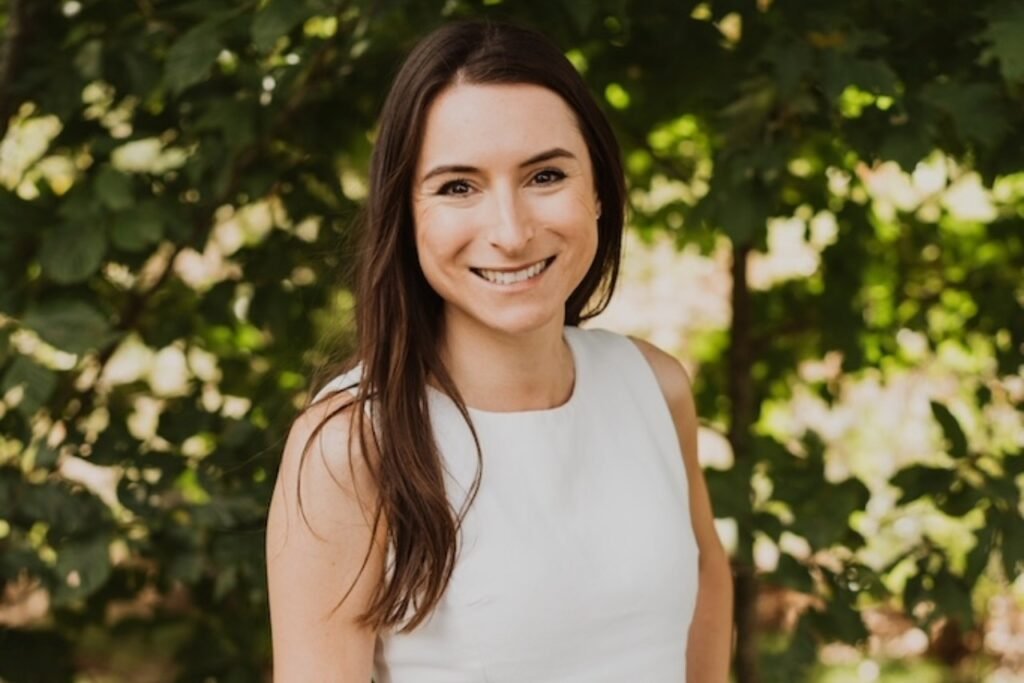
Company: https://www.awakeashes.com/
Linkedin
Describe what you do in less than 140 characters.
Our product, Ashes to Earth™, turns cremated remains into living memorials—and gives a struggling funeral sector a sustainable path forward.
What’s a moment during your journey you’ll never forget?
Selling my house to go all in. I was Airbnb’ing my house, staying with my parents, and renting out a second unit to long-term tenants so I could work full-time building the business. One day, standing in my living room almost crying from exhaustion, something clicked: your energy is finite. Your time is finite. Your resources are finite. I asked myself, “what do you love more, your house or your business?” and the answer was obvious. No regrets. ”
What impact have you made on your customers, team, or community?
More than half of Canadian families want to do something in nature with their loved one’s ashes—like scattering at the cottage, planting a maple, or creating a garden. But the chemistry of cremated remains actually kills more than half the plants they’re scattered with. Families have been doing their best with what they had, often in secret, and often disappointed with the results. Ashes to Earth™ gives those wishes a proper home. One woman held onto her husband’s ashes for five years before finding our product. She planted him under a Japanese maple outside their bedroom window, and now it’s the first thing she sees every morning.
And with every memorial planted, life genuinely returns to the earth. Our patented soil amendment actually makes nutrients in the ashes bioavailable. So it’s an impact that keeps growing long after we’ve played our part.
Our B2B clients (funeral homes and cemeteries) operate in a sector under enormous pressure. 77% of Canadians now choose cremation, and the shift has resulted in over a 70% decline in average revenue for traditional funeral businesses. Meanwhile, cemeteries are running out of space, and for most, purchasing new property just isn’t an option. Ashes to Earth™ gives both a sustainable path forward—financially and environmentally.
What’s one lesson you learned the hard way?
Take others’ advice with a grain of salt. Everyone will have an opinion—on your business model, marketing strategy, pricing, expansion plans but no one can know your market like you do.
After our first major pitch competition an innovation executive told me we were “10 years too early”. To go back to our day jobs and wait for the market to be ready. After putting everything on the line, that was terrifying. So we didn’t. Instead, we doubled down on market research and discovery calls. We refined our unique value proposition until it was bullet proof, and pivoted. Two months later we landed our first government contract.
What advice would you give to builders just getting started?
Founders are often told to “fail fast, fail cheap”. There’s value in that sentiment, but I’m a bigger fan of “fall in love with the problem, not your solution”. Some entrepreneurs find success testing idea after idea and seeing what sticks. But in my experience, building a lasting, sustainable enterprise with the power to change an industry and impact millions of lives takes extreme devotion and sacrifice. What would you give to see your mission succeed? I sold my house to fund my startup journey. You may not have that option, or you may not have that desire. But at each stage of a project, it’s helpful to ask yourself: how far would you go for this idea? Is it a hill you’re willing to die on?
What are you working on next?
Our next major milestone is the pet sector. Which we expect will double our growth by 2027. Pets are family. And right now, families who lose them have almost no meaningful options for what comes next. We’re working with veterinary professionals and cremation providers to bring Ashes to Earth™ to pet parents—so they have a beautiful, personal way to honour their pet that creates a positive impact, whether that’s a memorial garden, tree, potted plant, or a place in nature that’s important to them.
For the first time, we’re raising capital to accelerate this growth—and the energy, excitement, and personal connection we’re hearing from investors is something I didn’t expect. For many of them, it’s more than a financial opportunity. It’s a chance to help build a lasting legacy for families across Canada.
2. Jamie Savage
Company: https://www.leadershipagency.com/
Linkedin
Describe what you do in less than 140 characters.
We hire leaders for the most innovative startups in North America.
What’s a moment during your journey you’ll never forget?
One moment I’ll never forget was being named by Forbes as one of Canada’s Best Executive Recruiting Firms for the second year in a row. Not because of the award itself, but because of what it represented. When I started The Leadership Agency in 2017, I believed a boutique executive search firm could compete with the biggest names in the industry by doing one thing exceptionally well: helping founders hire extraordinary leaders. That recognition was a full-circle moment. But what made it even more meaningful was what happened around the same time: I had the opportunity to make two of the people who helped build this company alongside me partners in the business. For me, that’s what success looks like. Not building a company around one founder, but building something so strong that exceptional people choose to build it with you, lead it with you, and ultimately own part of it with you.
What impact have you made on your customers, team, or community?
For almost a decade, we’ve partnered with founders, investors, CEOs, HR leaders, and talent teams to build the executive leadership behind some of the fastest-growing technology companies in North America. We’ve completed more than 3,000 leadership placements across more than 300 companies, helping startups scale from early traction to category leaders. Behind every great startup is a great leadership team, and we’ve had the privilege of helping build many of them. The Leadership Agency has twice been recognized by Forbes as one of Canada’s Best Executive Recruiting Firms. More importantly, our clients continue to trust us with their most important hires as they build the next generation of category-defining companies.
What’s one lesson you learned the hard way?
One lesson I learned the hard way is that leadership is never about you. Early on, I thought being a great leader meant having the answers, making the decisions, and carrying the weight of the business myself. Over time, I realized that’s not leadership at all. Leadership is measured by the people around you. If your team isn’t growing, becoming more confident, taking on bigger challenges, and eventually surpassing what they thought they were capable of, then you’re not really leading. Your leadership is reflected in the growth of others, not in your own success. That shift changed how I hire, how I coach, and ultimately how I built The Leadership Agency.
What advice would you give to builders just getting started?
Stop waiting until you have all the answers. You never will. Move fast, but move with serious intention. Quiet the noise around you and stop comparing yourself. It’s one of the biggest wastes of time as a founder. There will always be someone raising more money, making more headlines, or growing faster. None of that matters. Stay relentlessly focused on your customer. Hire exceptional people. Protect your culture. Keep showing up.Great companies aren’t built overnight. They’re built by founders who refuse to quit.
What are you working on next?
We’re building the executive search firm founders call first when leadership matters most.As the startup ecosystem continues to mature, we’re expanding our work across North America and partnering even more closely with founders, investors, CEOs, HR leaders, and talent teams to build the executive leadership behind the next generation of category-defining companies. We’re not just filling executive roles. We’re helping build the companies that will shape the future.
1. Marissa McNeelands
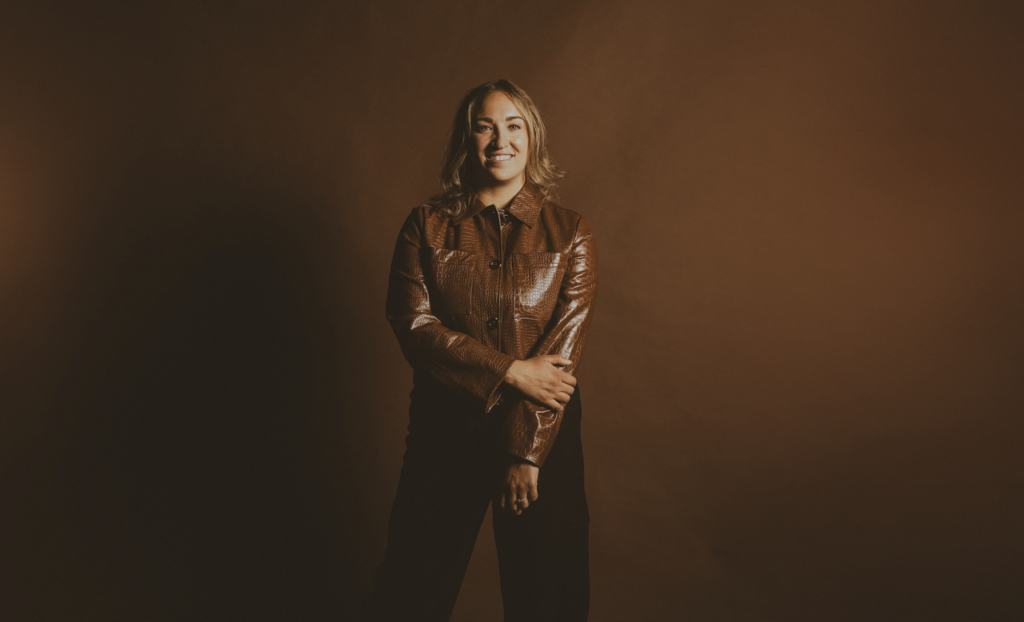
Describe what you do in less than 140 characters.
I build businesses that help people feel more connected, starting in tech and now through shared,
in-person experiences.
What’s a moment during your journey you’ll never forget?
Selling my stake in Toast in 2025. I’d given so much of myself to helping women find their place in tech,
and I’m proud of what I built. Stepping away gave me space to notice how long I’d spent putting everyone
else’s needs ahead of my own. I started asking what it would look like to build something that helped
people feel more present and connected in their own lives. That question led me to Circa.
What impact have you made on your customers, team, or community?
I think the biggest impact I’ve had across my businesses is helping someone arrive feeling like an
outsider and leave feeling part of something. Whether it’s finding their place in tech or connecting with
strangers over a shared experience, I’ve seen how much it means to feel welcomed and understood.
That’s the kind of community I keep coming back to building.
What’s one lesson you learned the hard way?
I learned the hard way that, as a founder, I can’t wait for someone else to make my dream happen, even
when I’ve hired experts to help. Entering a new industry, I assumed our architects would make the best
design decisions for our business. They knew wellness spas; I knew the experience I wanted to create. I
deferred to their judgment for too long, and changing direction later cost us time and money.
A trusted advisor helped me see that I needed to speak up. Build a circle of people who will challenge
you, listen to their expertise, and remember that you’re the one responsible for protecting the vision. It’s
your dream, not theirs.
What advice would you give to builders just getting started?
Be fiercely consistent. Entrepreneurship is pivoting a thousand times a day, but you can’t pivot if you
aren’t showing up. Get your boots on the ground. Talk to the people you’re building for, in real life, again
and again. Put your ego aside and listen to what they tell you. Trust takes time, and people need to see
that you’ll keep showing up. Learn, adjust, and keep going until you find your fit.
What are you working on next?
I’m building Circa’s first permanent studio in Edmonton, but the vision is much bigger than one location.
We’re working with property developers to identify the right city for our next studio and developing a
training facility for sauna guides, with the goal of setting a new standard for guided thermal experiences. I
want Circa to become a place people return to wherever they live: a familiar ritual that helps them feel
better in their bodies and more connected to their communities.